Root canal treatment in Palakollu
Saving an infected tooth rather than removing it, in one sitting where the tooth allows it.
Root canal treatment removes the infected or dying nerve tissue from inside a tooth, disinfects and shapes the canals, and seals them, so the tooth can stay in your mouth instead of being pulled out. At Care Dental Experts in Palakollu it is done under local anaesthetic in one or two sittings depending on infection, and is almost always followed by a crown to stop the weakened tooth from splitting.
Signs you may need one
- Pain on hot or cold that lingers after the stimulus is gone, a few seconds of sensitivity is different from a minute of throbbing
- Pain that wakes you at night or worsens when you lie down
- Pain on biting or on touching the tooth
- A tooth that has darkened compared with its neighbours
- A small pimple-like swelling on the gum near the tooth, sometimes discharging
- A deep cavity, a large old filling, or a tooth that took a knock some time ago
Some teeth need root canal treatment with no pain at all. The nerve has already died quietly and the problem shows only on an X-ray. Pain is not a reliable measure of how bad the situation is.
What happens, step by step
Examination and X-ray
The X-ray shows how deep the decay goes, how many canals the tooth has and whether infection has reached the bone at the root tip.
Anaesthetic and isolation
The tooth is numbed properly. A rubber dam isolates it so saliva and bacteria stay out and disinfectant stays in.
Access and cleaning
A small opening is made through the crown of the tooth. The infected pulp tissue is removed and the canals are cleaned, shaped and irrigated.
Filling the canals
The canals are sealed with a biocompatible filling material. If infection was heavy, a medicated dressing is placed and you return for the sealing.
Core build-up
The access cavity is rebuilt, sometimes with a post inside a canal if very little tooth structure remains.
The crown
A crown is fitted, usually two to three weeks later, to hold the tooth together. This step is not optional dressing-up, see below.
Single sitting or two? Both are legitimate
| Single sitting | Two or more sittings | |
|---|---|---|
| Best for | Vital or mildly inflamed tooth, no swelling | Infected tooth, abscess, pus, swelling |
| Chair time | 60 to 90 minutes in one go | Two visits, roughly a week apart |
| Advantage | One trip, valuable if you travel in | Medicated dressing settles infection first |
| Trade-off | Not suitable when infection is active | A second journey |
A clinic that does every case in a single sitting regardless of infection is prioritising convenience over the tooth. We will tell you which your tooth needs and why.
Why you need the crown afterwards
A root-treated back tooth has lost its blood supply and a good deal of its structure. It becomes more brittle. Without a crown, a meaningful proportion of these teeth split vertically over the following years, and a vertically split root cannot be saved. The tooth is then extracted, and you have paid for a root canal and lost the tooth.
Skipping the crown to save money is the single most expensive decision patients make in our chair.
Root canal or extraction?
| Consideration | Root canal + crown | Extraction |
|---|---|---|
| Keeps your own tooth | Yes | No |
| Cost today | Higher | Lower |
| Cost over ten years | Usually lower | Higher, if you later replace the tooth |
| Bone preserved | Yes | No, the ridge shrinks after extraction |
| Neighbouring teeth | Stay where they are | May drift into the gap |
| When it is the right call | Tooth is restorable | Root cracked, tooth broken below gum, severe bone loss |
Indicative cost
| Treatment | Indicative range |
|---|---|
| Root canal, front tooth | ₹ [confirm] |
| Root canal, premolar | ₹ [confirm] |
| Root canal, molar | ₹ [confirm] |
| Re-treatment of a failed root canal | ₹ [confirm] |
| Post and core build-up | ₹ [confirm] |
| Crown (zirconia / ceramic) | ₹ [confirm] |
Molars cost more than front teeth because they have more canals and take longer. Ranges are indicative and confirmed after examination.
Honest limitations
- Root canal treatment has a high success rate, but not a perfect one. A small proportion of teeth reinfect and need re-treatment or extraction later.
- Curved, calcified or extra canals can make treatment difficult and occasionally unsuccessful.
- A tooth with a vertical root fracture cannot be saved by a root canal, whatever anyone promises.
- Some tenderness on biting for a few days afterwards is normal, not a sign of failure.
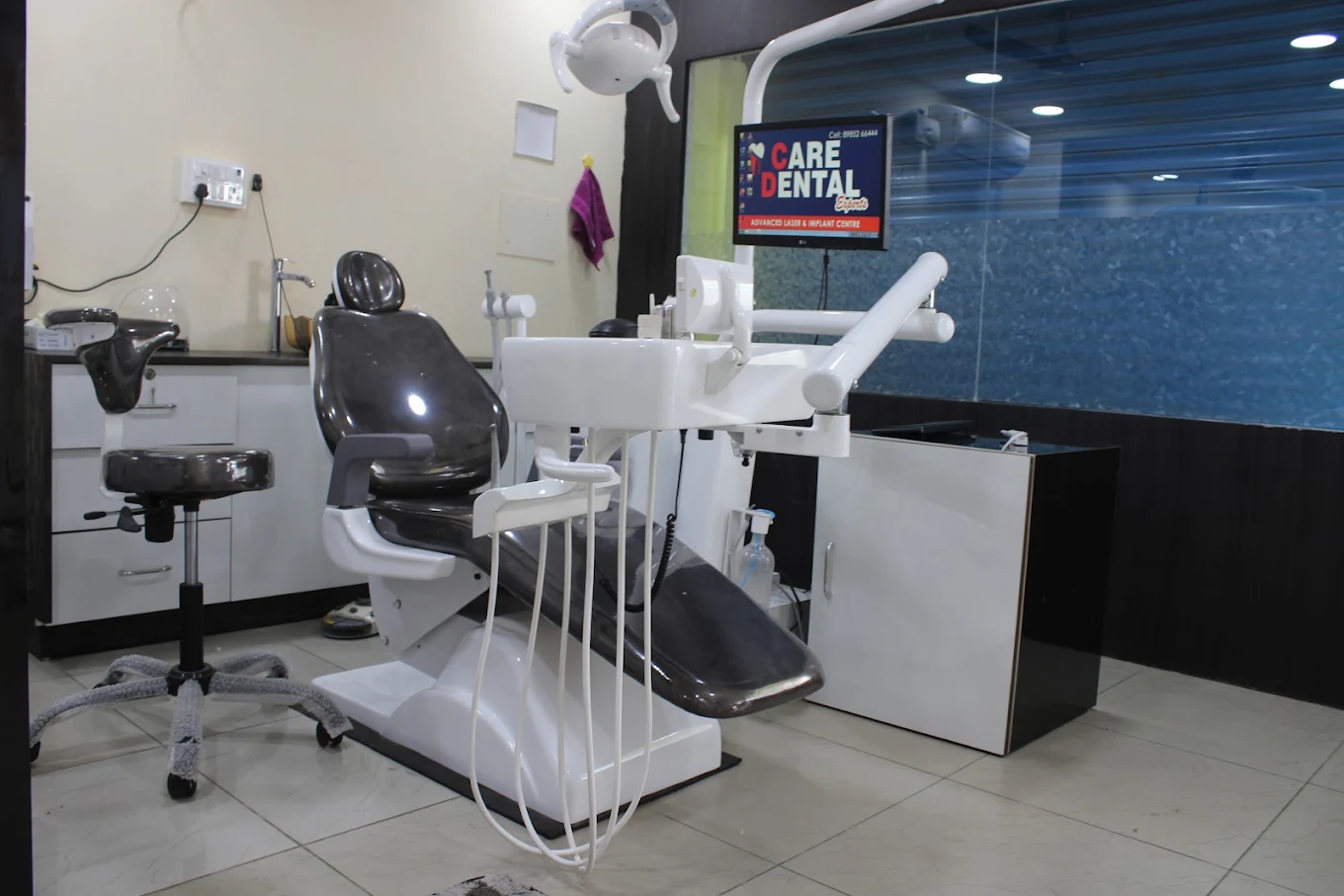
We are empanelled under the Employees Health Scheme (EHS) and the Working Journalists Health Scheme (WJHS). There is an Aarogya Mithra help desk inside our waiting room. Bring these:
- EHS / WJHS health card of the employee, pensioner or journalist
- Aadhaar of the patient
- Employee or pensioner ID, and proof of relationship for a dependent
Common questions
Does a root canal hurt?
The treatment itself should not. The tooth is fully numbed first. The reputation comes from the days before modern anaesthetics, and from the fact that people usually arrive for a root canal already in severe pain. In practice, the procedure is what stops the pain. Mild soreness for two or three days afterwards is common.
Can it be done in one visit?
Often yes, when the tooth is not actively infected and there is no swelling. When there is pus or an abscess, a medicated dressing between visits gives a better long-term result. Tell us if you are travelling from out of town and we will plan around it where it is clinically safe.
Is root canal treatment covered under EHS or WJHS?
It may be, depending on the approved procedure list and pre-authorisation. That decision sits with the scheme authority. Our help desk will raise the request and confirm the answer before treatment. How the process works.
What if I just leave the tooth alone?
An infected pulp does not heal on its own. Pain may settle for a while when the nerve fully dies, which patients often mistake for recovery. The infection continues into the bone and can produce facial swelling, an abscess, and occasionally a serious spreading infection needing hospital care. Leaving it is not a neutral choice.
Can I eat normally afterwards?
Wait until the numbness has gone completely, then eat on the other side until the crown is fitted. A root-treated tooth without its crown is vulnerable, do not test it on hard food.
Not sure which treatment you need?
Bring your X-rays if you have them, or just bring the tooth that is troubling you. A consultation and examination is the honest first step. We will tell you if you do not need treatment yet.