Teeth cleaning and preventive dentistry in Palakollu
Scaling, polishing, fluoride, sealants and oral cancer screening, the cheapest dentistry you will ever pay for.
Preventive dentistry is professional cleaning and early detection: removing the hardened deposits a toothbrush cannot, protecting the grooves of back teeth, and catching decay, gum disease and mouth lesions while they are still small. Most adults need a check-up and clean every six months; every three to four months if you have gum disease, diabetes, or use tobacco, gutka or pan.
What a check-up at this clinic includes
History and concerns
What is bothering you, plus medical history, medications, diabetes control, and tobacco or areca nut use. All of it changes dental decisions.
Examination of every tooth
Decay, cracks, failing old fillings, wear from grinding, bite problems.
Gum assessment
Bleeding, pocket depths, recession, mobility.
Soft tissue and oral cancer screening
Tongue, floor of mouth, cheeks, palate and throat checked for ulcers, white or red patches and restricted opening. This takes two minutes and it is the most important two minutes of the appointment.
X-rays where needed
To see decay between teeth and bone levels, not routinely on every visit, only where they will change a decision.
Scaling and polishing
Ultrasonic removal of calculus above and just below the gum line, then polishing.
Plan and priorities
What needs doing now, what can wait, what only needs watching, and roughly what each costs.
Preventive treatments and who they suit
| Treatment | Best for | How often |
|---|---|---|
| Scaling and polishing | Everyone | Every 6 months |
| Fluoride application | High decay risk, children, exposed roots | Every 6 months |
| Fissure sealants | Children's new permanent molars | Once, checked at reviews |
| Oral cancer screening | Everyone; essential for tobacco and gutka users | Every visit |
| Night guard | Tooth grinders, cracked-tooth history | Assessed as needed |
| Sports mouth guard | School and college players | Refit as jaws grow |
| Bad breath assessment | Persistent halitosis | As needed |
Brushing, done properly
- Twice a day, two minutes. Timing it is not fussy, nearly everyone underestimates by half.
- Soft bristles. Hard brushes wear grooves into the roots; they do not clean better.
- Angle the bristles at 45° into the gum line and use small circles. That junction is where gum disease begins.
- Fluoride toothpaste, and spit rather than rinse, rinsing washes away the fluoride you just paid for.
- Clean between the teeth daily with floss or an interdental brush. A toothbrush reaches about three of the five surfaces of every tooth.
- Do not brush straight after vomiting or acidic food; wait 30 minutes so softened enamel is not scrubbed away.
Local habits worth naming
Sweet chai several times a day keeps the mouth acidic for far longer than one sugary drink would. It is the frequency, not the quantity, that does the damage, three teas spread across the day are harder on teeth than three at once. Rinse with plain water after each.
Gutka, khaini and pan are the single biggest oral health risk in this district. If you use them, you should be screened every three to four months without exception, and we will help you find support to stop if you want it.
Indicative cost
| Treatment | Indicative range |
|---|---|
| Consultation and examination | ₹ [confirm] |
| Digital X-ray (per film) | ₹ [confirm] |
| Scaling and polishing | ₹ [confirm] |
| Fluoride application | ₹ [confirm] |
| Fissure sealant (per tooth) | ₹ [confirm] |
| Night guard | ₹ [confirm] |
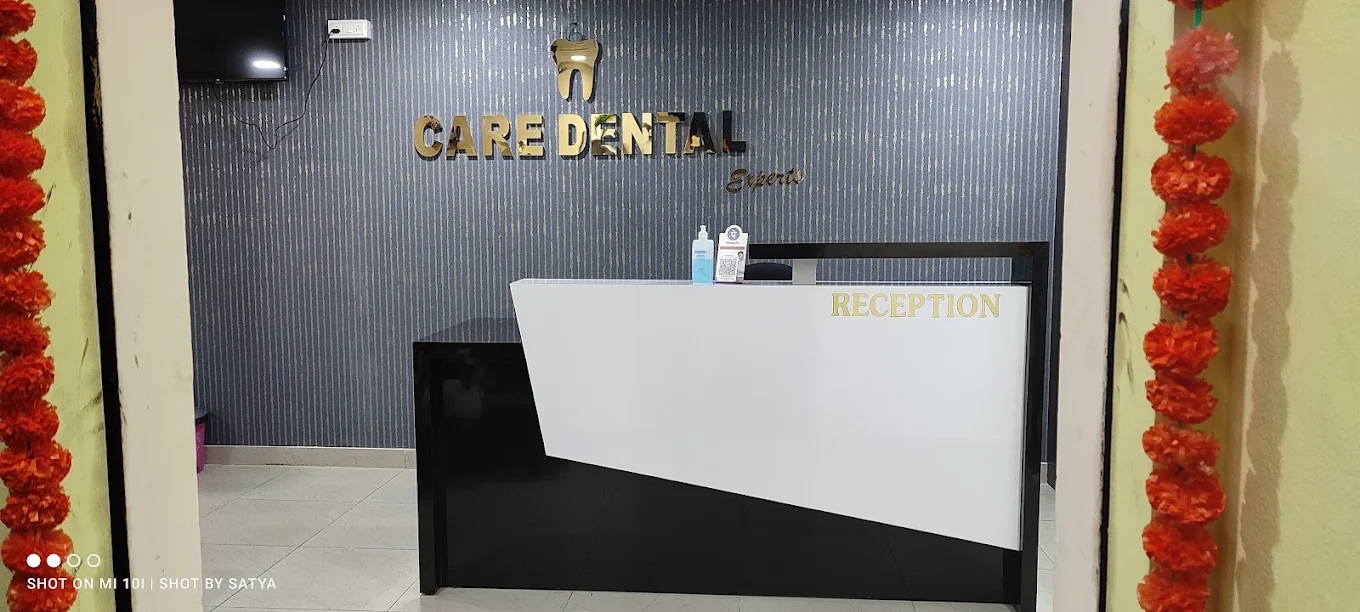
We are empanelled under the Employees Health Scheme (EHS) and the Working Journalists Health Scheme (WJHS). There is an Aarogya Mithra help desk inside our waiting room. Bring these:
- EHS / WJHS health card of the employee, pensioner or journalist
- Aadhaar of the patient
- Employee or pensioner ID, and proof of relationship for a dependent
Common questions
Does scaling loosen teeth or create gaps?
No. Calculus fills spaces created by gum disease that has already happened. Removing it reveals the damage rather than causing it. The full explanation is here.
How often do I really need a check-up?
Every six months for most adults. Every three to four months if you have had gum disease, are diabetic, or use tobacco, gutka or pan. Children should be seen every six months from the age of about one.
Which toothpaste should I buy?
Any toothpaste containing fluoride, at around 1000 to 1450 ppm. Check the box. Brand matters far less than technique and frequency. Avoid charcoal pastes marketed as whitening; many are abrasive and some contain no fluoride at all.
Is a professional clean painful?
For healthy gums, no, vibration and water spray, nothing more. If your gums are inflamed it can be tender, and if deposits are heavy we can numb the area. Sensitivity for a week or two afterwards is common and settles.
Not sure which treatment you need?
Bring your X-rays if you have them, or just bring the tooth that is troubling you. A consultation and examination is the honest first step. We will tell you if you do not need treatment yet.